

Whatever the archaeologists could carry out of Ephesus lives here, in a bright modern museum in the middle of Selcuk — and its two most famous residents are worth the visit alone: the Great Artemis and the Beautiful Artemis, marble statues of the goddess retrieved from her temple's civic shrine.
Nowhere else does the Ephesian Artemis confront you like this: crowned with a temple, hung with rows of mysterious oval pendants, flanked by lions and bees — the city's sacred emblem. Whether the ovals are eggs, gourds or bull offerings is a debate your guide will happily referee; what is certain is that no photograph does her presence justice.
Beyond the goddess
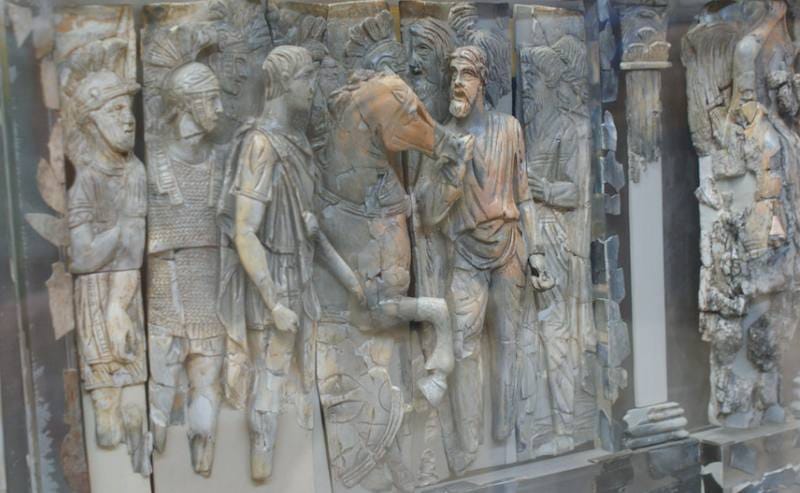
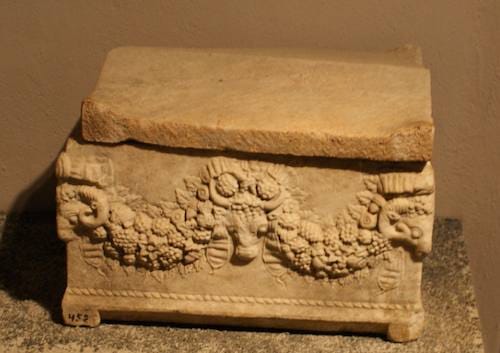
The museum's rooms restore what the ruins imply: frescoes and furnishings from the Terrace Houses, the colossal head and forearm of Emperor Domitian from his temple, an entire hall of gladiator reliefs and tombstones from the theater era, and delicate finds — jewelry, ivory, surgical instruments — that turn a stone city back into flesh and blood. A short film with animations reconstructs the city; ten minutes well spent before you walk the real thing.
Locals' honest tip: see the museum and the ruins on the same day, in either order — the pairing doubles both. And if you ever find yourself in Vienna, the Ephesos Museum there displays the treasures the Austrian excavators took home a century ago, including the Parthian frieze. The two museums are having a very long-distance conversation.
See Ephesus Museum in Selcuk on these tours
Keep reading
See all attractions around EphesusIsa Bey Mosque
A jewel of Seljuk architecture from 1375, still an active mosque — and the calmest courtyard in Selcuk.
Ayasuluk Hill: the Castle, the Basilica and the First Ephesus
The citadel above Selcuk where Ephesus was born: Bronze Age Apasa, Justinian's basilica, a Byzantine-to-Ottoman castle and the finest panorama on the coast.