Is Ephesus older than Rome? Yes. Greek settlers founded Ephesus around 1000 BC, more than two centuries before 753 BC, the traditional date of Rome's founding, and the Bronze Age town of Apasa on Ayasuluk Hill was already a capital around 1400 BC. Most of the marble you walk past, though, is Roman work of the 1st and 2nd centuries AD.
We hear this question at the Library of Celsus almost every day, usually from guests who were in Rome or Pompeii the week before and want a yardstick. So this page is a comparison: Ephesus set beside Rome, Pompeii and the Parthenon, then the age of each stop on the walk. If you only want the single number, our timeline answers how old Ephesus is in one paragraph.
Is Ephesus older than Rome?
Yes. Greek settlers founded Ephesus around 1000 BC, while Rome's traditional founding date is 753 BC. Archaeology narrows the gap: people were living in huts on Rome's Palatine Hill by the 8th century BC. But Ayasuluk Hill above Ephesus was already a Bronze Age capital, Apasa, around 1400 BC.
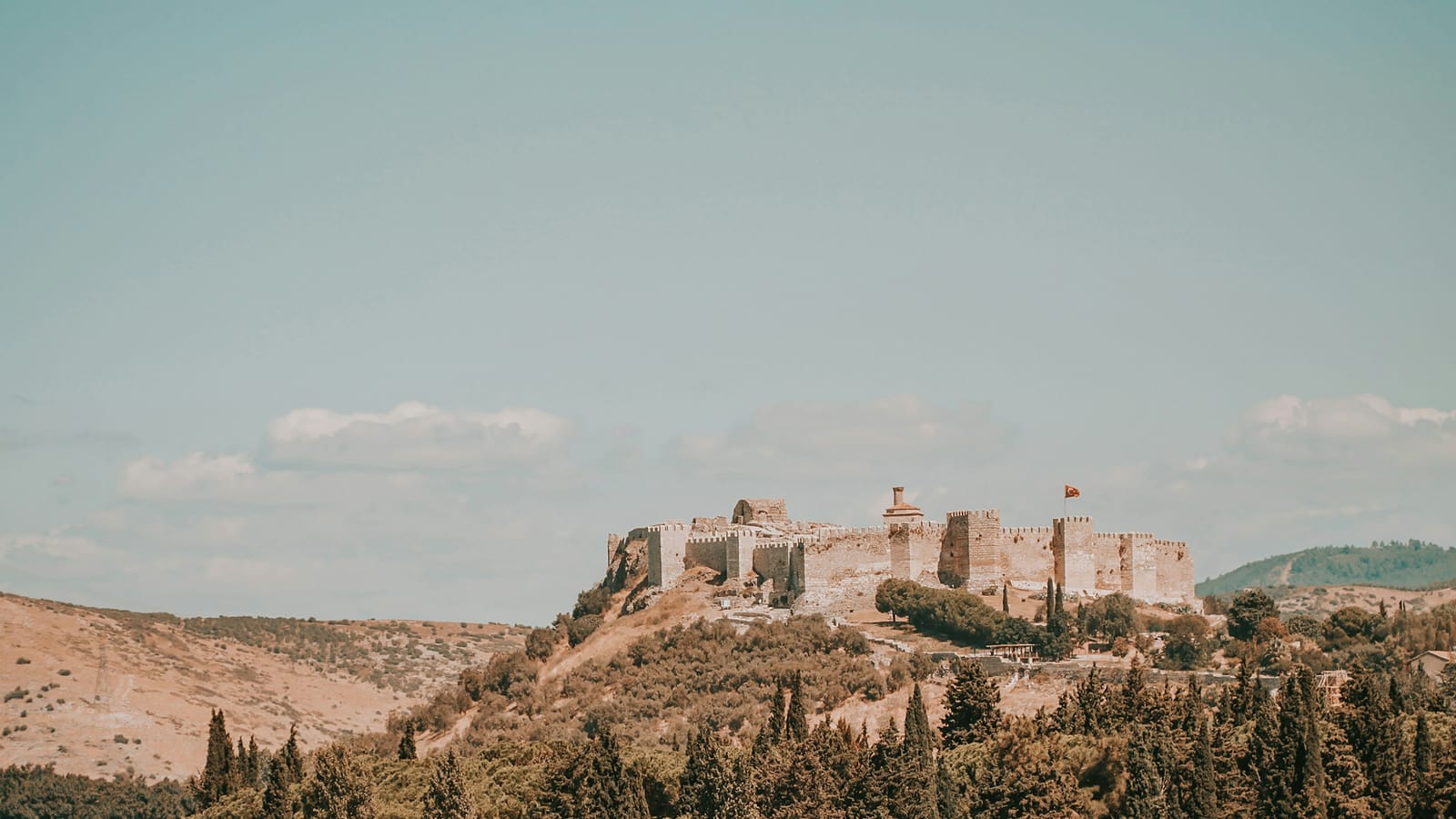
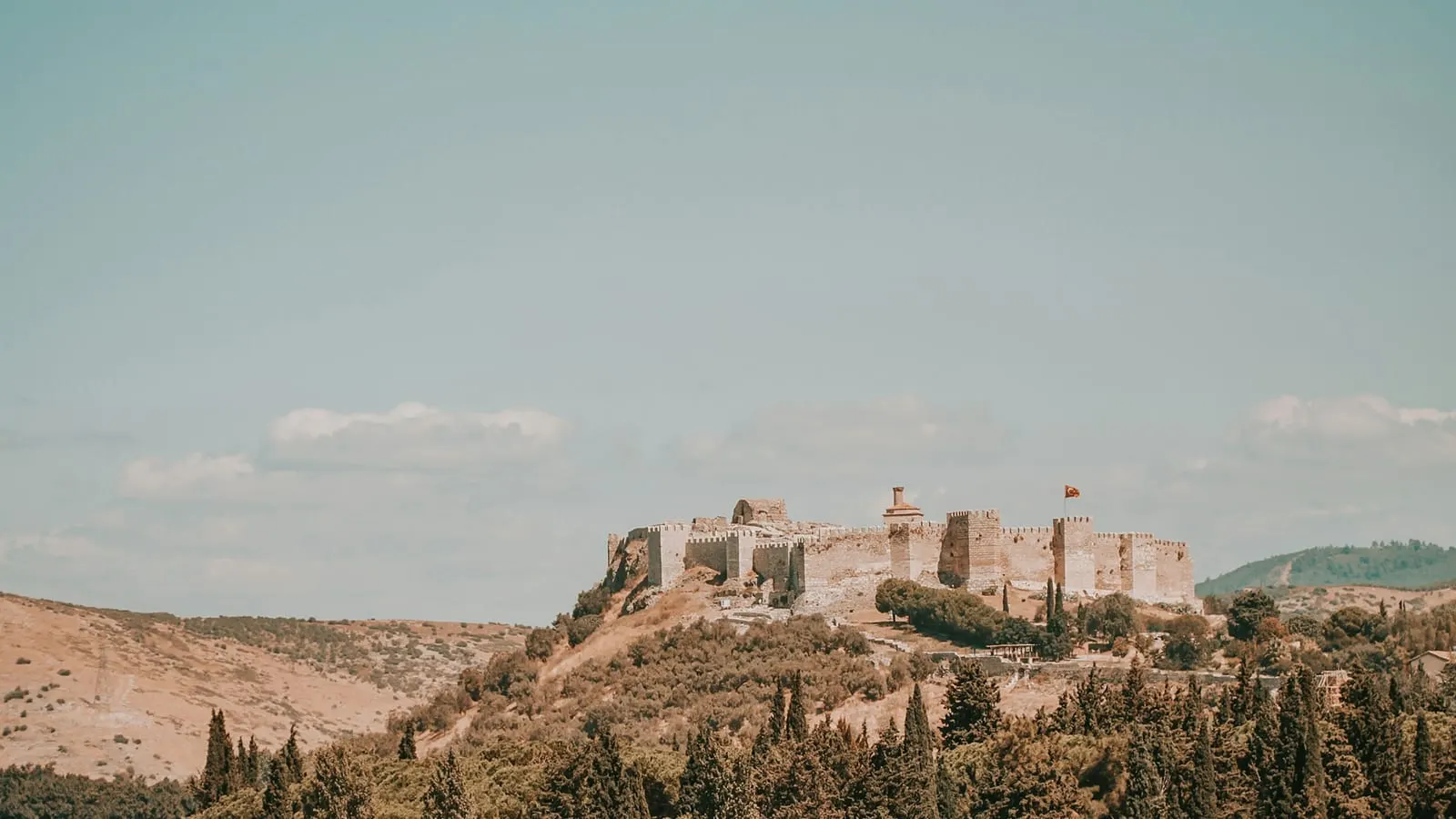
It helps to compare like with like, because both famous founding dates are stories. Rome's 753 BC comes from Roman writers who counted back to Romulus; the founder of Greek Ephesus, the Athenian prince Androklos, is a legend too. Underneath both legends the archaeologists find people. On Rome's hills they find Iron Age huts and burials from the centuries around 1000 to 700 BC. At Ephesus they find a Late Bronze Age fortification wall, tombs and Mycenaean pottery under the Basilica of Saint John on Ayasuluk Hill, the town the Hittite records called Apasa, capital of the kingdom of Arzawa. The name Ephesus itself probably descends from Apasa.
Then there is Çukuriçi Höyük, a low mound about 200 m southeast of the ancient city and one of the four parts of the UNESCO World Heritage property. Its excavators found a prehistoric village there, with evidence of occupation going back to the 7th millennium BC, when the sea still reached deep into this valley. That puts people at Ephesus some five thousand years before any date proposed for the founding of Rome.
Ephesus vs Rome, Pompeii and the Parthenon: the dates side by side
Here is the yardstick we sketch for guests on the drive in. The first column is the oldest trace of people, the second the founding date usually quoted, the third the age of the ruins visitors photograph.
| First people on the site | Founding date usually quoted | The famous ruins date from | |
|---|---|---|---|
| Ephesus | Çukuriçi mound, 7th millennium BC; Apasa on Ayasuluk Hill, about 1400 BC | About 1000 BC (Greek settlers); moved to its present site about 290 BC | Mostly the 1st and 2nd centuries AD |
| Rome | Huts and burials on and around the Palatine, about 1000 to 700 BC | 753 BC (the traditional date) | Colosseum AD 70 to 80; Pantheon about AD 113 to 125 |
| Pompeii | Earlier settlement on the hill is debated | A town by the 7th or 6th century BC | Everything stops in AD 79, when Vesuvius buried it |
| The Parthenon, Athens | The Acropolis was a Mycenaean citadel by the 13th century BC | Athens was a Greek city before Greek Ephesus | Built 447 to 432 BC |
Two things surprise people in that table. The first is that Athens is older than Greek Ephesus: its Acropolis was a fortified citadel before Greek settlers sailed here, and the colonists who founded Ephesus came, by tradition, from Athens itself. The second is that the famous monuments of Ephesus and Rome are contemporaries. The Library of Celsus (AD 114 to 135) went up in the same years as the Pantheon in Rome. Ephesus was one of the five largest cities of the Roman world then, and it built like one.
Is Ephesus older than Pompeii?
As a city, yes, by roughly four centuries: Ephesus around 1000 BC, Pompeii a town by the 7th or 6th century BC. As ruins, mostly no. Pompeii stopped in AD 79, so every house you see there is at least that old. Ephesus kept building for another two hundred years, and nearly everything on the classic walk is younger than the eruption of Vesuvius.
That gives a neat answer to "Ephesus vs Pompeii, which is older?" The Library of Celsus was begun about 35 years after Pompeii was buried, and the Temple of Hadrian about 50 years after. If Pompeii is a photograph of one Roman summer, Ephesus is the album of a city that kept going: Greek streets, a Hellenistic theater, Roman marble, Byzantine churches, a Turkish mosque. Pompeii's Archaeological Park gives the town about 66 hectares inside its walls; the walls of Ephesus, built around 290 BC, enclosed about 415. Both are worth a day, for different reasons.
How old is each stop on the tour?
Ages are counted from 2026 and rounded, because most buildings went up over decades and were repaired for centuries. The walk itself runs from the upper gate down to the lower gate; our Ephesus one day itinerary puts these stops in walking order.
| Stop | Built | Age today, roughly |
|---|---|---|
| Ayasuluk Hill (Apasa) | Bronze Age town about 1400 BC; fortress walls after the 7th century AD | About 3,400 years (the town); about 1,300 (the walls) |
| Temple of Artemis | Begun about 550 BC; rebuilt larger after the fire of 356 BC | About 2,300 to 2,600 years |
| Great Theater | Begun in the Hellenistic era; enlarged to 25,000 seats in the 1st and 2nd centuries AD | About 1,900 to 2,300 years |
| Terrace Houses | Building phases from the early 1st century AD; lived in until the earthquake of 262 | About 1,750 to 2,000 years |
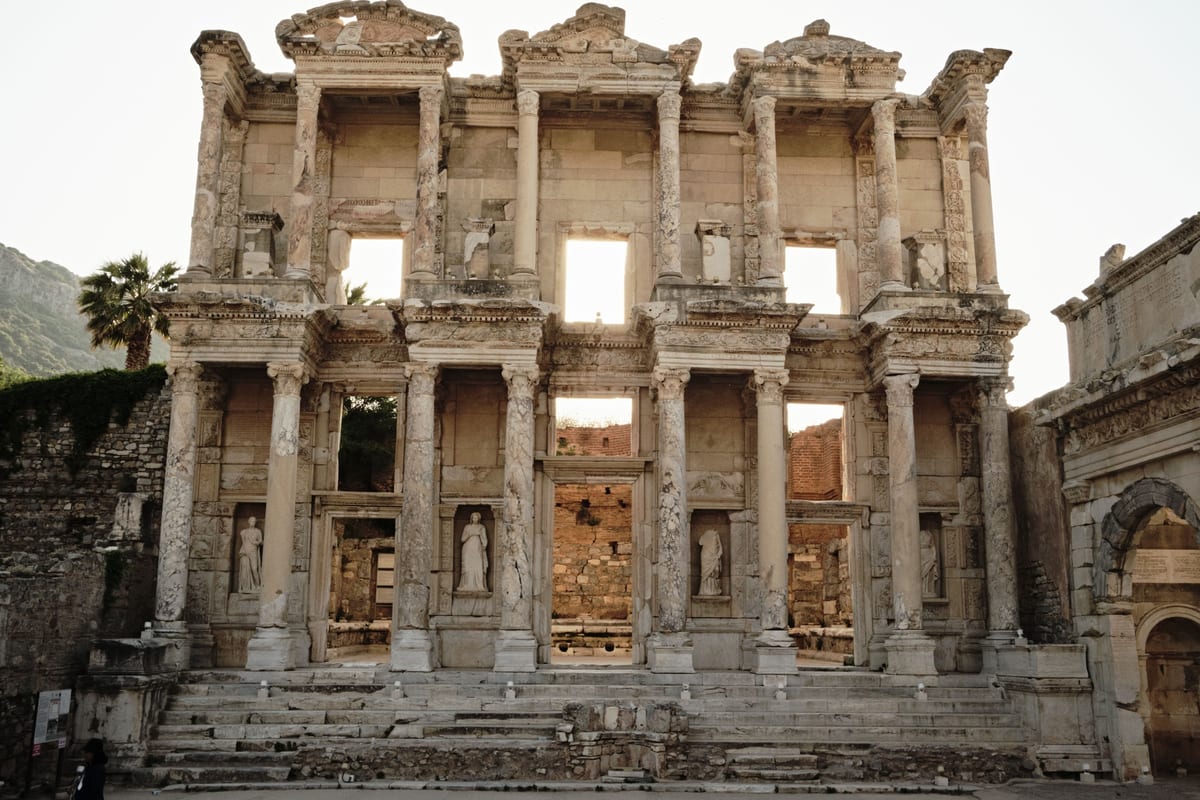
| Library of Celsus | AD 114 to 135; facade re-erected 1970 to 1978 | About 1,900 years |
| Temple of Hadrian | Dedicated around AD 127 to 128 | About 1,900 years |
| Basilica of Saint John | AD 548 to 565, under Justinian | About 1,470 years |
| Isa Bey Mosque | Completed 1375 | About 650 years |
The Great Theater: Greek bones, Roman size
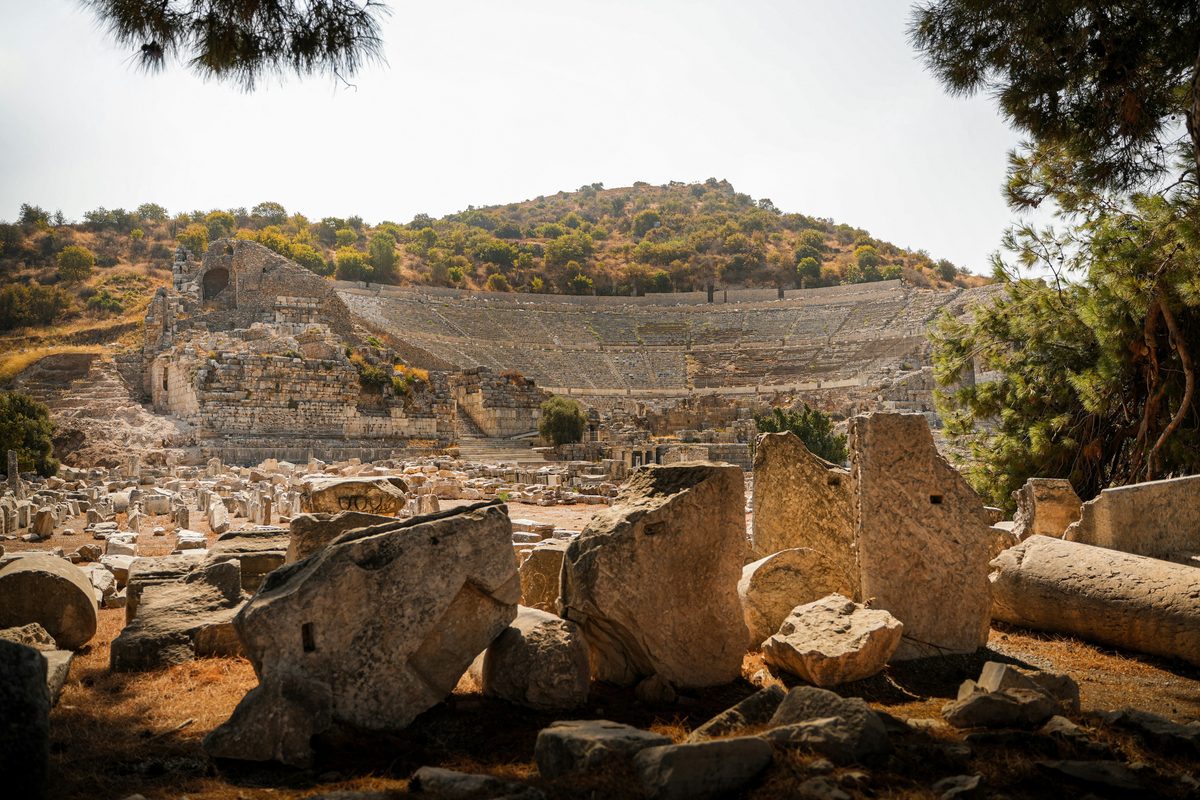
The theater is the best single lesson in how Ephesus aged. Hellenistic Greeks cut the first seats into the slope of Panayır Hill; the Romans spent most of the first and second centuries AD enlarging it to about 25,000 seats. So the answer to "how old is it?" depends on which row you are sitting in.
The Library of Celsus and the Temple of Hadrian: younger than Pompeii
The library was built by the consul Tiberius Julius Aquila as a memorial and tomb for his father, the governor Celsus, and finished by his heirs by about AD 135. The facade you photograph was re-erected from its own fallen blocks between 1970 and 1978, and the four statues in its niches are copies. A few minutes uphill, the little Temple of Hadrian on Curetes Street was dedicated around AD 127 to 128; its original reliefs are in the Ephesus Museum in Selcuk.
The Terrace Houses: a Roman neighborhood, lived in for 250 years
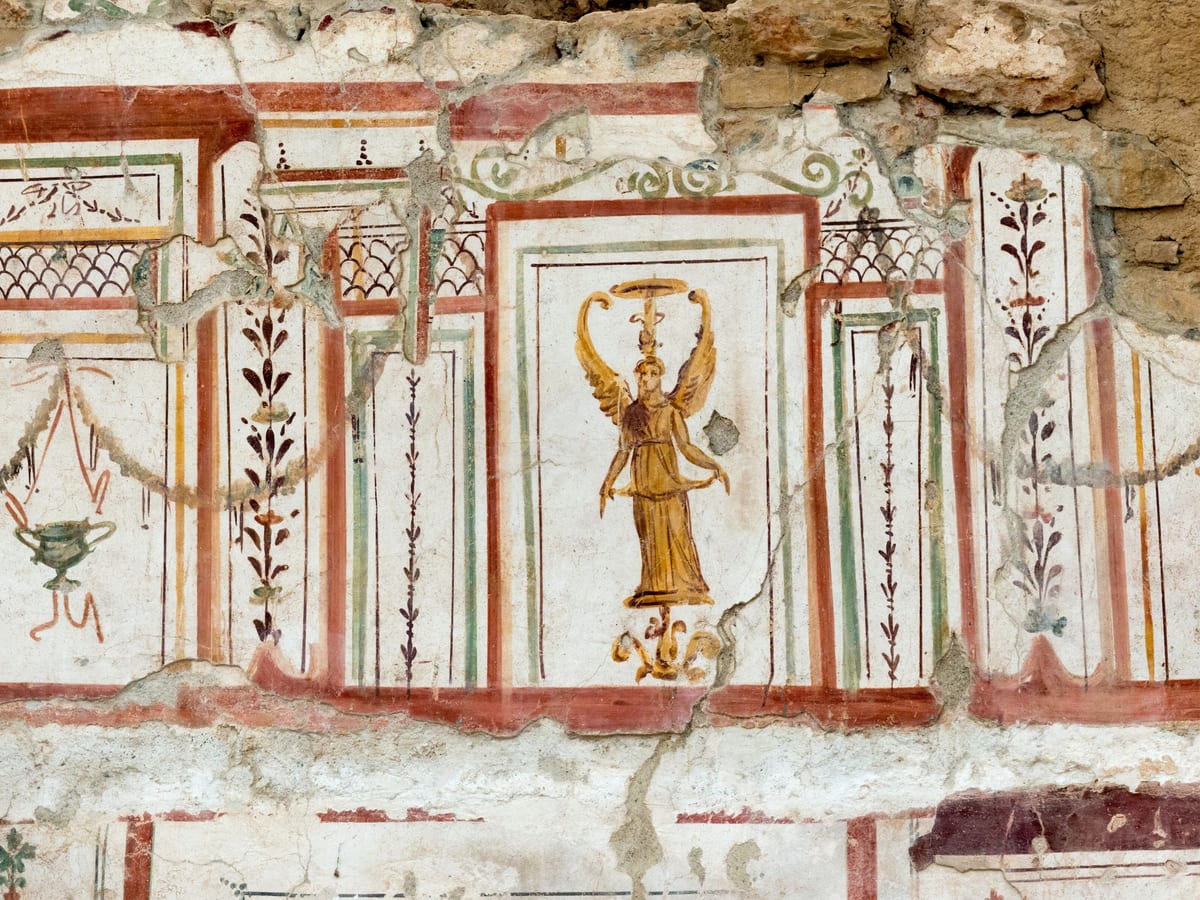
The Austrian Archaeological Institute traces four building phases in the Terrace Houses, from the early 1st century AD to the earthquake of 262, after which the rich moved out. That long life is why the walls carry several layers of paint, one fashion over another, and why the frescoes here are younger than Pompeii's while the people who painted them were doing much the same thing.
Why most of what you see is Roman
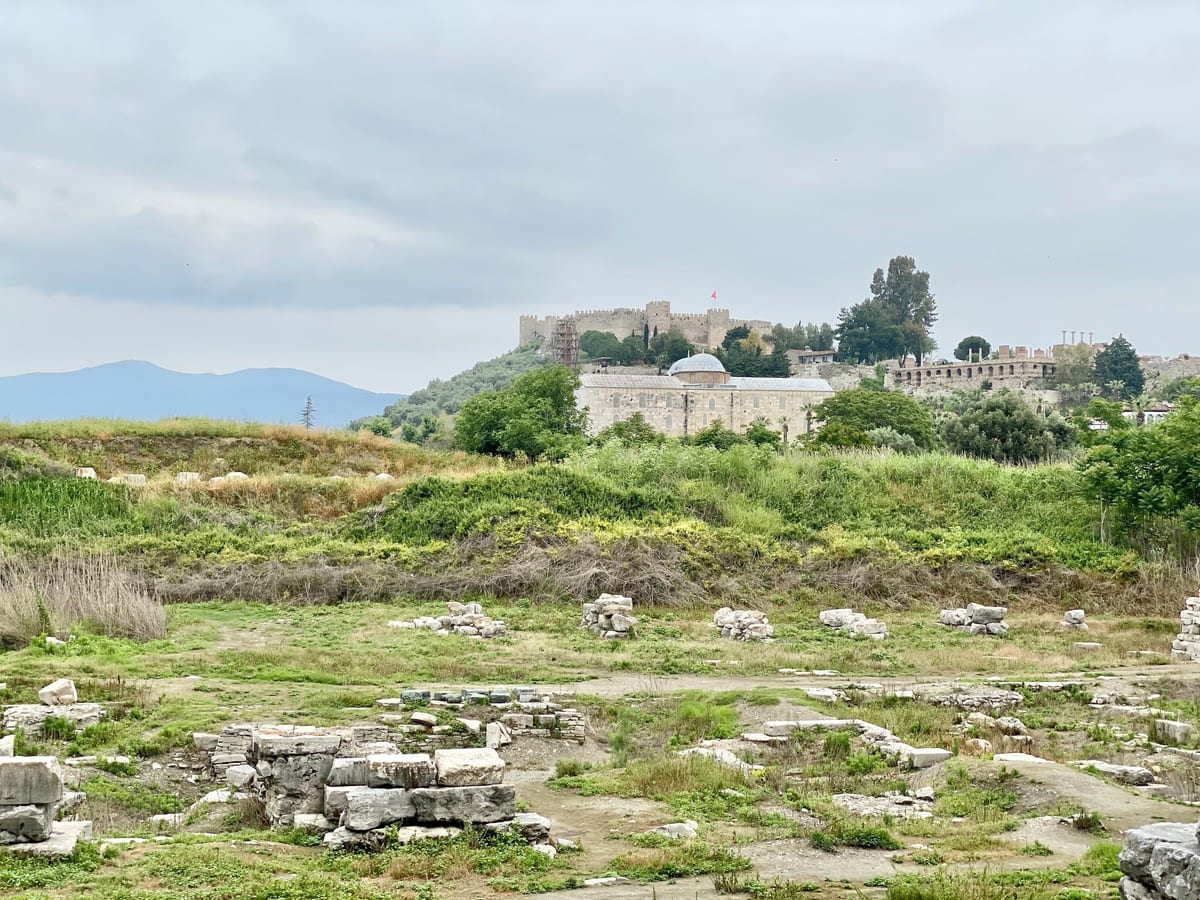
Ephesus moved. The Greek city of 1000 BC stood near Ayasuluk Hill and the Temple of Artemis; around 290 BC King Lysimachus moved everyone to the valley between Panayır and Bülbül hills, where the ruins stand today. That story, drains and all, is in Alexander, Lysimachus and the city that moved. Then Rome took over the province in 129 BC, Augustus made Ephesus the capital of Asia, and after the earthquake of AD 17 the city was rebuilt with imperial money. The rich spent the next two centuries outdoing each other in marble.
So the oldest Ephesus is on the hill and under the ground, and the newest on the surface. Only about a tenth of the city has been excavated, and the excavations still turn up older layers beneath the Roman streets. When the river filled the harbor with silt, people climbed back up Ayasuluk Hill; how that ended is told in the decline of Ephesus.
Seeing the old and the very old in one day
If the ages of the stones are what interest you, give Ephesus time. Our Archaeological Ephesus tour is the in-depth day: the city's 3,000-year timeline sketched on the drive in, a slow walk from the upper gate, 30 to 45 guided minutes in the Terrace Houses, and the Temple of Artemis at the foot of Ayasuluk Hill to finish. It is private, from €33 per person for groups of 8 or more, with priority entry; the entrance tickets are paid separately at the gate price. If you want the hill itself, the Basilica of Saint John is a stop on our Selcuk old town tour.
Rome is older than its monuments. So is Ephesus. The difference is that here the oldest town is still standing on its hill, in plain sight of the marble city.
Sources & further reading
- UNESCO World Heritage Centre: Ephesus — the listing that includes the Çukuriçi mound and Ayasuluk Hill
- Austrian Academy of Sciences: Terrace House 2 in Ephesos — building phases from the 1st century AD to the earthquake of 262
- Archaeological Park of Pompeii: press kit — the size of ancient Pompeii and the eruption of AD 79
- Ministry of Culture and Tourism: Ephesus Ancient City — the official page for the site
- Encyclopaedia Britannica: Ephesus — the history of the city
Keep reading
See more on the Ephesus Travel BlogEphesus Tips for a Cruise Stop: 8 Mistakes That Waste Time
Ephesus tips for a cruise stop: eight mistakes that waste port time, from arriving after 10:00 in July to walking uphill from the lower gate, each with a local guide's fix.
Terrace Houses or House of the Virgin Mary: Which to Pick?
Terrace Houses or the House of the Virgin Mary? What each one adds, the time and the separate ticket each costs, who might happily skip each, and why a full day lets you see both.